
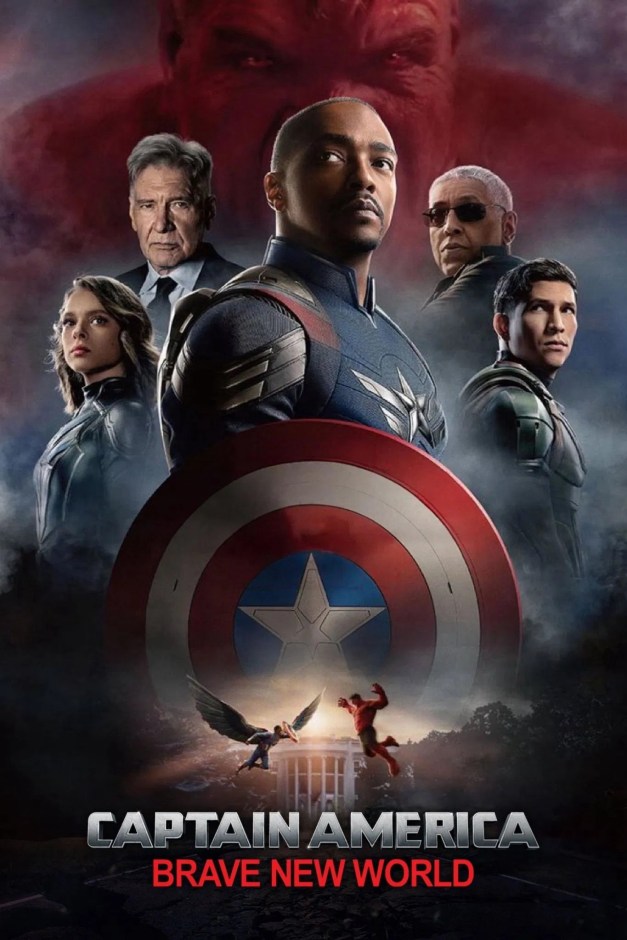
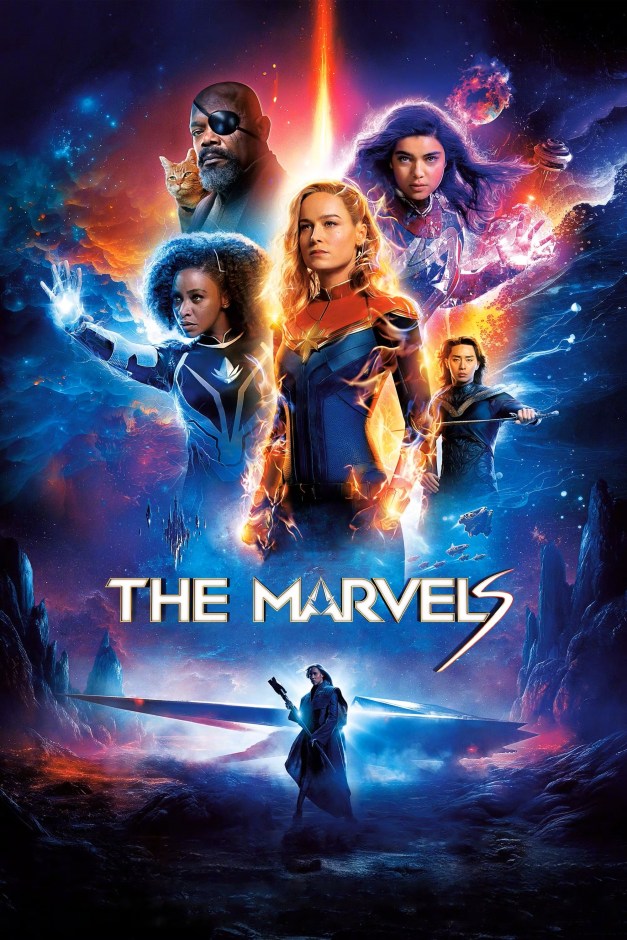
As an African American male and a lifelong Marvel fan, it’s disheartening to see the divisive reactions towards recent entries in the Marvel Cinematic Universe (MCU), particularly Captain America: Brave New World and The Marvels, compared to the more favorable reception of Thunderbolts. What stands out isn’t just the disparate reviews, but rather the underlying themes of racism and misogyny that seem to fuel a vocal minority’s dissatisfaction with films led by women and people of color.
Let’s delve a bit deeper. While I’ve openly critiqued Ms. Marvel—not due to its representation but rather its plot and characterization—I found The Marvels to be a vastly underrated film deserving of a closer look. It boldly represented not just women but women of color, while forging connections that resonate with a broader audience. In contrast, Captain America: Brave New World, despite its hero having a nuanced legacy, faced backlash that, in many ways, echoes sentiments of exclusion rather than constructive critique.
The negative reviews for these two films often revolve around their leads: Anthony Mackie as the new Captain America and a trio of powerful women in The Marvels. The critiques can sometimes resemble an echo chamber of a specific demographic—predominantly white males—who seem uncomfortable with characters that challenge their traditional view of heroism. Comments that reflect a discomfort with strong Black and female leads often border on the offensive, presenting an undeniable pattern reminiscent of the backlash aimed at diverse characters in other major franchises.
For instance, the Star Wars franchise faced similar reactions, particularly around the diverse cast in The Acolyte. The backlash against these projects goes beyond mere storytelling and character development; it digs into the roots of societal norms and expectations. These vocal minorities often mask their distaste in the guise of analysis, but the underlying current reveals a resistance to evolution in a landscape that is still largely dominated by white male narratives.
This response isn’t occurring in a vacuum. It reflects a larger societal struggle—one that has seen a significant pushback against Diversity, Equity, and Inclusion (DEI) initiatives. The Trump administration’s hostile attitude toward these initiatives goes hand-in-hand with a broader erasure of African American contributions and narratives in the telling of American history. It’s unfortunate that popular culture often becomes the battleground for these outdated ideologies, where representation is viewed as a threat rather than a celebration of diversity.
Through our beloved superhero stories, we often seek to imbue hope, resilience, and inspiration. Yet, the years have shown us that some still cling to outdated perceptions that exclude rather than uplift. In the face of criticism for Captain America: Brave New World and The Marvels, it’s vital to unpack the motivations behind such hostility.
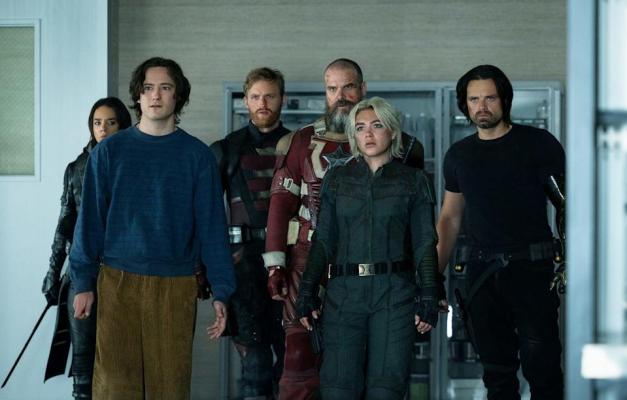
The MCU’s evolution should be celebrated, as it offers the opportunity to narrate stories that engage diverse perspectives. Diverse representation matters immensely—not just within the frames of film but in shaping a world where everyone has a place. The positive reviews for Thunderbolts shouldn’t overshadow the valuable narratives of The Marvels and Brave New World. Instead, they present an opportunity for dialogue—a path to discuss how we can embrace stories that reflect our world more accurately, diverse and multifaceted.
In conclusion, as we navigate the landscape of cinema, let’s challenge ourselves to stand against the wave of negativity stemming from a vocal minority. Let’s foster an appreciation for the stories we are beginning to see more of—stories that are vibrant, inclusive, and filled with complexity. The Marvel Cinematic Universe is ever-evolving, and it deserves our support, especially when it strives to tell the stories of those who have historically been sidelined. After all, the essence of heroism lies not just in the battles fought on screen, but in the battles we fight for representation and equity in our everyday lives.

 Nkosi Speaks